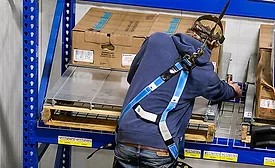
Warehouse hazards create more accidents because of the massive quantities of products of all different sizes, shapes and weights stored on shelves, floors and anyplace else someone can find a place to put a box, pallet or carton.
Have you ever been in “The Zone”? “The Zone” is described as a tunnel-vision experience and an extreme focus. “The Zone” is reported by athletes, soldiers, and researchers.
Although emerging occupational safety and health products can help make your job easier and keep your workers safer, keeping up with new developments in the field can be challenging. ISHN helps you save time by gathering all of the OSH product information together and presenting it in the magazine and online in a quick and easy format.
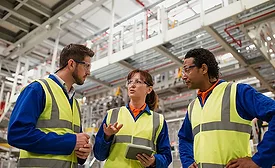
From R&D specialists to the disposal crew, products and projects often require a village of workers onsite. While some of these workers may be part of your organization, successful businesses often require third-party contractors to better manage resources and deliver quality results.
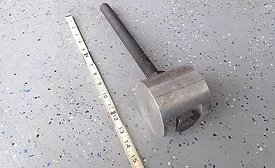
Workers who use hand and/or power tools can expose themselves and co-workers to personal injuries and illnesses such as: lacerations, crushes, burns, amputations; fractures and musculoskeletal disorders; skin and pulmonary illnesses; sight and hearing damage; and electrical shocks.
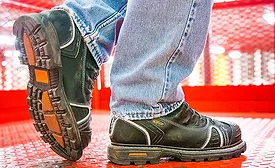
With more options than ever before, safety footwear is anything but a one-size-fits-all purchase. As you evaluate your footwear program, there are many things to think about, such as job-site hazards, seasonal weather exposure and material durability.
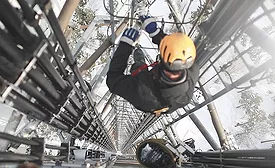
When OSHA revised the walking-working surface standard in 2016, part of the goal was to make the general industry standard more consistent with existing construction standards.
Establishing a safe workplace requires more than PPE and policy. Training and performance management are critical, but only go so far, and all the visual cues, scrolling monitors and pithy slogans in the world won’t make your workplace sustainably safe and healthy.
Corrie discusses Safety I, Safety II, and Safety III. Safety I is the current practice—injury prevention. It is slowly evolving into Safety II, which emphasizes human performance and systems controls. Safety III holds out the promise of reinventing the profession.
What I call a “True North Safety Culture” is the point at which an organization aligns to a value and goal of eliminating risk(s)/injuries within an organization, and also aligns mission/vision statements to this goal.
 RSS
RSS