Noise-induced hearing loss (NIHL) is the most common permanent and preventable occupational injury impacting workers today. And unlike most injuries it is painless, progressive, permanent and preventable.
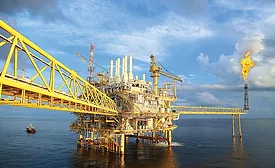
If you work in safety in a high-hazard industry, would you be worried if your company injury and illness data sat on OSHA’s website to be accessed by the public? Would you fear publicizing the data could damage your company’s reputation?
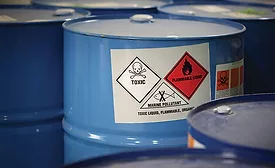
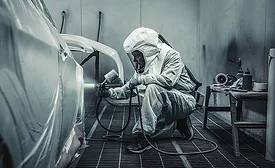
To help prevent injuries and deaths from working with hazardous chemicals, OSHA requires employers to establish a hazard communication program [29 CFR 1910.1200.]
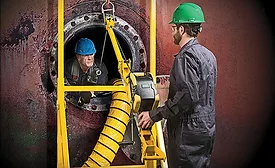
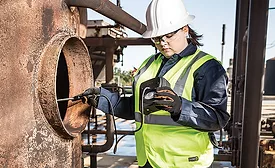
A work environment may not seem like a confined space at first glance, but the surprising truth is that confined spaces exist in many forms. They are found in nearly every industry. Without a doubt, confined spaces expose workers to very real dangers.
Standard teaching techniques apply to all types of learning. But safety training exists on a level of its own given the life and death stakes involved. While safety professionals need to find teaching ideas that work, many find themselves falling back on the same tired slide presentations.
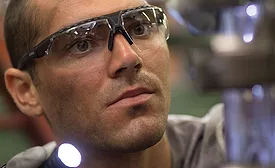
It’s vital to provide individuals with the anti-fog (AF) lens coating that meets the rigors of the job. But an effective AF coating is only as good as they eyewear it’s on. If workers are uncomfortable in their fog-free eyewear, they’re likely to remove it.
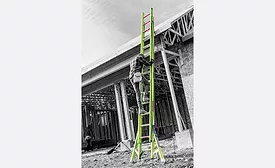
Every day 2,000 people are injured in a ladder-related accident. One hundred of those people suffer a long-term or permanent disability. And every day, one person dies; the numbers are continuing to rise.
Inhalation of toxic gases can kill you. It’s important that you perpetually monitor your breathing air to ensure that you and your employees are breathing air that is safe and free of such gases all the time.
If anything has come to define the human experience throughout history, it is a willingness to take risks, to face the unknown with a confidence that borders on arrogance and come out the victor.
Confined spaces such as tanks, containers and shafts represent a major danger. The good news is that you can significantly reduce the risks involved by understanding these environments and measuring air quality — before entering them. Here’s what you need to know.
 RSS
RSS