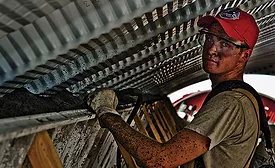
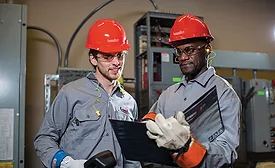
For Ron Hope, value safety manager for Luck Companies, the range of gloves on the market can be confusing. In his industry, the primary wearers of hand impact protection are maintenance workers carrying out tasks involving heavy lifting, handling steel and swinging hammers.
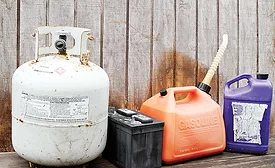
Throwing household waste such as small batteries, cleaning products, and light bulbs in the trash may not be environmentally friendly behavior, but in most cases, it’s not against the law. However, businesses face many more limitations and regulations on what can and can’t be thrown away.
Single use plastics are the hot topic of the moment – and with good reason. They’re non-biodegradable meaning once created they will never disappear from the environment. When consumers open the bin to drop their plastic waste in that may be the last they see of it but it’s far from the end of the story.
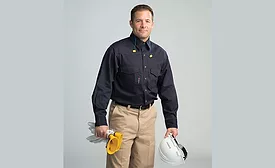
By its directive, the electrical safety standard, NFPA 70E®, calls upon employers, contractors and employees to work together and, through an expanded risk assessment, clearly define a means by which compliance can be achieved for the protection of all involved.
The total cost of safety cannot be underestimated. A life is priceless. Direct costs such as worker’s compensation, medical and legal expenses, and indirect safety costs such as training, accident investigation, implementation of corrective measures, lost productivity, equipment and property repairs add up quickly.
Some years ago, I sat in a boardroom full of health & safety professionals who were all scratching their heads, determined that there must be a better way to make safety information free and accessible for public use. Questions were fired back and forth across the table, like:
“Why can’t we have one place to go to get all the policies, best practices and legislative guidelines instead of having to reinvent the wheel?”
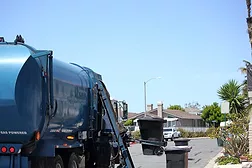
Every year 258 million tons of waste is thrown away in the US and the majority of it is collected by refuse vehicles and recycling trucks.
From narrow residential streets to commercial premises, and waste handling and recycling sites, navigating roads and maneuvering refuse vehicles safely can be a tough challenge.
Last month's message about changes to the ASTM F1506 standard explained that the laundry shrinkage requirements had been revised in this year's edition. Now, the garment manufacturer specifies the shrinkage requirement and test method.
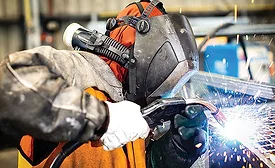
Welding and welding safety are nothing new to us all. While welding equipment today has dramatically improved, the fumes generated remain hazardous and are classified as a carcinogen. Has respiratory protection for welders improved to the same degree?
 RSS
RSS