We tend to view our own industry, whatever it is, as unique. We’re prone to see our industry as having characteristics that distinguish it from other industries. I am often told by clients, “this business is unlike any other.”
In the best-case scenario, normalization of deviance goes against recommended work practices, but when it comes to safety, this common human tendency can have devastating consequences.
When I coach leaders, I often hear that the image of wallowing stays with them long after I’m gone - even when they don’t feel like wallowing! Ultimately, the thought of wallowing moves their thoughts to intentions, and then, purposeful actions.
The beginning of a new year is an ideal time to review your training challenges, and consider online solutions that align with your needs. Following, we look at common workplace training challenges, and how today’s online solutions can help ease those burdens.
Safety and health professionals (full-timers) and practitioners (part-timers) are in stable, generally positive positions entering the new year, according to reader research conducted by ISHN magazine in October, 2017.
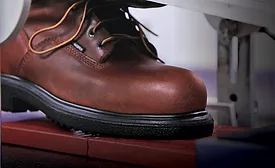
Protective footwear used by employees can play a big role in preventing costly and dangerous slips, trips and falls. But not all footwear protects wearers equally. Make sure your workers wear the proper protective boots for their unique environment.
People who wear earplugs at work may not be getting the full protection they need. That's because they're not wearing earplugs properly – through no fault of their own. Most earplugs employ a one-size-fits-all approach, yet ears vary widely from person to person.
OSHA standards clearly define mandatory compliance and requirements for employers to follow with respect to eye and face protection. Following these requirements ensures protection against chemical, environmental, and radiological hazards or mechanical irritants.
The Walking-Working Surfaces; Personal Protective Equipment standard, 29 CFR 1910.22, was published in the Federal Register on November 18, 2016, at pages 82494-83006. Most of the rule became effective Jan. 18, 2017, but some provisions have delayed effective dates.
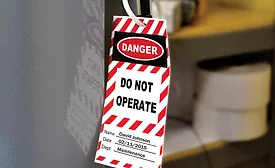
The Control of Hazardous Energy (Lockout/Tagout), 29 CFR 1910.147, standard was promulgated on September 1, 1989, at Federal Register, Volume 54, No. 169, and was effective January 2, 1990, as announced at Federal Register, Volume 54, No. 213, November 6, 1989.
 RSS
RSS