Workers who perform hot work can quickly become complacent. They don’t realize that simply “pencil whipping” the permit without making the area safe for hot work can place them and their coworkers at risk.
There are more than 100 different ways to weld metals together. With so many different ways to weld, types of metals, and filler materials comes many hazards such as flying particles, harmful dust, smoke, fumes, heat and light radiation.
Metalworking facilities and welding shops must be diligent in controlling dust and fumes containing harmful metal particulate. Fortunately, there are proven controls to maintain a healthy work environment.
This article has pertinent information to help you make the best hand protection choices. Information that will help you stay warm during those wet and wintry work days.
Winter across the world brings with it a variety of weather conditions. From the biting cold, snow, rain and wind of the Northern Hemisphere to the scorching temperatures and humidity of the Southern Hemisphere, it pays to be fully prepared for this winter season.
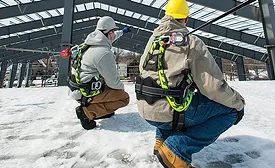
Just about everywhere, workers must remain mindful of the weather to stay safe while working outdoors. For much of the U.S. and Canada, winter brings more than cold. Work environments present multiple challenges for individuals who must work outside.
In addition to long-term damage, OSHA warns that excessive noise can cause physical and psychological stress, reduce productivity, interfere with communication and concentration, and contribute to workplace accidents and injuries.
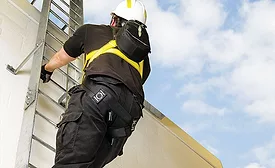
Falling from height is one of the leading causes of work-related injuries and death. The U.S. Bureau of Labor Statistics documents nearly 750 fall-related fatalities a year and another 300,000 nonfatal falls. More surprising than even that? Every single fall is 100-percent preventable.
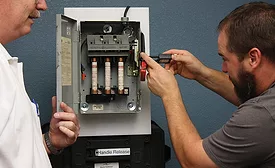
Unfortunately, as with many OSHA requirements, they inform you “what” to do, but not “how” do it, and leave this part up to the employer. The challenge for many employers is the lack of knowledge or experience to effectively implement the OSHA lockout guidelines.
Mentally healthy workplaces are as important to employees as physically safe ones. But how do you get there? A lot of employers have the desire to do more for their employees’ well-being but get overwhelmed by the amount of resources and information that’s available.
 RSS
RSS