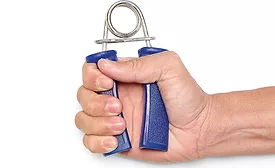
Optimal grip has been called the pinnacle of selecting work gloves. It’s critical in almost any industry you can think of. Poor grip can lead to a host of problems. Of course there’s more to hand protection than glove grip. Different work requires different types of gripping gloves.
Numerous techniques to assess risk are available. Most formal techniques are based on identifying the hazard (the potential for harm), and determining the amount of risk (low, medium or high) by calculating, observing or estimating.
When designing and laying out the piping loop for a recirculating tepid water system for a series of emergency showers, there are a number of important items to consider to maximize the performance and minimize the cost of the required tepid water delivery system.
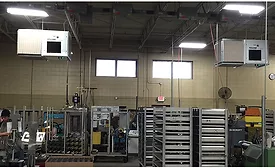
One manufacturing company implemented a new fume collection system to not only improve working conditions for its employees but to increase the overall efficiency and safety of their plant.
Fall prevention and protection is a primary focus of construction industry safety programs. According to the Centers for Disease Control and Prevention, falls are the number one cause of construction-worker fatalities, accounting for one-third of on-the-job injury deaths in the industry.
While most industrial facilities offer hearing protection to their employees, there are some very basic, yet overlooked, questions you can ask of your hearing conservation program (HCP) to determine if you are maximizing its effectiveness.
Keeping employees safe can be a huge expense to your company. But when you consider what’s at stake, human lives and life’s best moments, personal safety is invaluable.
OSHA’s Control of Hazardous Energy standard -- the Lockout-Tagout rule -- addresses the safety of employees engaged in servicing and maintenance activities in general industry when exposure to the unexpected release of hazardous energy is possible.
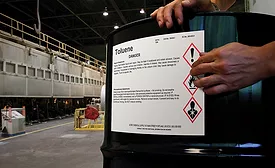
Employers continue to struggle with identifying and communicating hazards posed by dangerous chemicals. Fortunately, they can take steps toward complying with HazCom 2012 and GHS standards with simple, effective visual communication tools.
It’s been known for years now that driver fatigue is a serious risk – both on and off the job. A study by the Virginia Tech Transportation Institute found fatigue was the top cause of driver distractions, representing 20 percent of all motor vehicle accidents. We’re just not getting enough sleep.