We live in an era of dramatic, improbable events that adversely affect the economy, the environment, the fate of household name companies and people’s welfare and health. Or at least they seem improbable until they hurl themselves violently upon us from the shadows of our agreeable ignorance.
Running and gunning are exciting, catching Pokémon’s is fun. But sometimes we just want to take fragrant tobacco pipe, and play a detective game. Solving mysteries might not make adrenalin start flowing the same way as while being drawing enemy’s torpedo bombers online, but it can provide an intriguing mystery and prove to be a real brain teaser.
Asbestos is a long, thin, fibrous mineral made of up of microscopic crystals. There are six different types that are split up into two different groups: serpentine or amphibole. Serpentine asbestos is classified by its layered structure and curly fibers. One particular type of serpentine asbestos – chrysotile – is most commonly found in building materials throughout the United States.
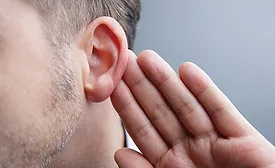
Occupational hearing loss is one of the most common work-related illnesses in the United States, yet it does not often come top of mind when we consider workplace incidents.
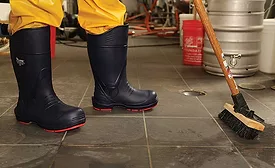
Foot protection is a general term that covers countless different features of occupation footwear; there’s no one thing that ensures foot protection, but having a boot with the right combination of features and technologies that work together provides the best comfort and protection.
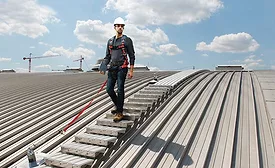
New year, new rule. As we ring out the old in 2016, we ring in the first major general industry OSHA update since the 1970s for walking-working surfaces (subpart D) and fall protection systems standards (subpart I) when a new ruling takes effect on January 17.1
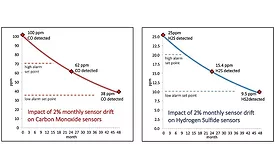
Unfortunately for the industry, there is a dangerous rumor that industry-standard maintenance recommendations are unnecessary and manufacturer recommendations are just a ploy to sell calibration gas.
OSHA estimates that over three million U.S. workers are at risk for job-related eye injuries and more than 2,000 are actually injured every business day.
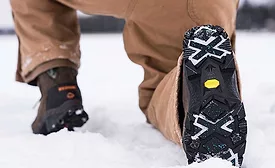
At the time of this writing, no U.S. government agency mandates performance specifications, nor is there any industry consensus defining slip resistance for PPE footwear in the US.
 RSS
RSS