According to a study conducted by the U.S. Bureau of Labor Statistics (BLS), 70 percent of workers suffer from hand injuries simply because they don’t wear hand protection.
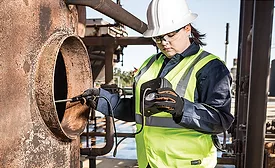
Working in confined spaces presents a unique and dangerous challenge of combatting the unseen; oxygen deficiency, poisonous or explosive, hazardous substances are among the most frequent causes of accidents associated with this line of work in confined spaces and containers.
A New York City institution is looking to tackle the city’s massive noise problem head-on
November 23, 2016
Sounds of New York City, otherwise known as SONYC, is a new multi-year project involving a team of scientists from New York University (NYU) and collaborators at Ohio State University. It is a “first-of-its-kind comprehensive research initiative to understand and address noise pollution in New York and beyond,” and the National Science Foundation recently awarded the project a $4.6 million grant.
How to perform nanomaterial exposure assessment in the workplace
November 11, 2016
Do you think you might have exposure to nanomaterials in your workplace? Never fear! NEAT 2.0 is here!
Engineered nanoparticles are unique. They are generally smaller than both red blood cells and viruses, don’t weigh much, and have a great amount of surface area proportionate to their size.
The American Industrial Hygiene Association (AIHA) is pleased to announce that its IH Professional Pathway program has been named the Gold Award winner in the category of Member Outreach and Communication by the Association of Marketing and Communication Professionals (AMCP) MarCom Awards.
Executing a wear trial may be the best way to obtain comprehensive information that will aid in your decision-making process for choosing the proper flame-resistant clothing (FRC) for your workforce.
I was recently called in to help a company address an issue with dropped objects following two incident reports where workers had dropped a pair of pliers and a spud wrench.