Communication is defined as a connection between two beings. Whether it be ordering at a fast food drive-through, or a healthy debate between friends on why your sports team is the best, prior knowledge and clear communication are key in understanding others.
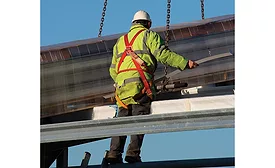
In the world of safety lies a plethora of devices and gadgets that offer unique capabilities with the aim of protecting end-users. While these devices can maximize one’s protection, safety goes beyond simply donning a device.
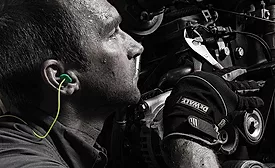
When an employee can’t hear properly, his or her performance at work declines and the impairment might cause more accidents and injuries to occur. Not only that, but the employee’s entire lifestyle is compromised by the hearing loss.
Hurricane Matthew is a recent reminder for many of us that severe weather can be deadly. While all of us need to take precautions, outdoor workers are especially vulnerable.
Two examples from New England show why it’s so vital that employers monitor and address the dangers extreme weather can present.
First responders, Homeland Security officers and others whose jobs involve safeguarding the public are increasingly arming themselves with radiation detection devices that can help them deal with hazardous materials events or acts of terrorism.
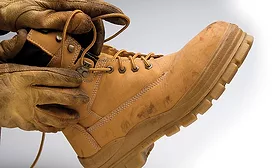
According to the National Safety Council’s (NSC) Injury Facts®, 2016 Edition, there were 43,570 foot injury cases involving days away from work in the United States in 2013.
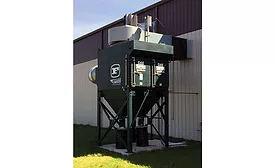
Smoke and fumes pose a health and safety risk to weld shops year-round, but winter weather brings special challenges. Now is the time to come up with a solution.
 RSS
RSS