When engineering control measures aren’t possible or sufficient to reduce exposure to harmful contaminants such as dusts, fogs, fumes, mists, gases, smokes, sprays, or vapors, OSHA requires – through its 1910.134 standard1 – that workers be provided with respiratory protection.
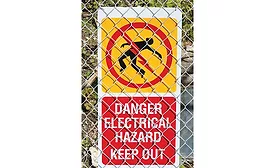
The jobs in Table S-4 (OSHA 1910.332) face a higher than normal risk of electrical accident if exposed to circuits that operate at 50 volts or more to ground.
Training management is the process in which an organization identifies training requirements, builds training programs, flags employees who need to be trained, and executes on that training.
The draft ISO 45001 standard, “Occupational health and safety management systems – Requirements with guidance for use,” has been released. This draft is referenced as ISO/DIS 45001.
A serious movement is afoot to systematize the concept of “safety culture.” The International Labour Organization has put forward a definition of a “preventative safety and health culture,” and ISO is apparently discussing prospective prescriptive requirements for a “positive culture.”