For two centuries, workers in every industry and from every background have collectivized in order to secure safe and healthy working conditions. Huge leaps have been made in that time, but because around 15 people per day died on job sites in the U.S. in 2019, there is still much work to be done.
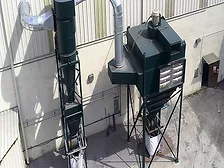
Combustible dust hazards are under-recognized in the industry and can pose a significant risk to your employees' safety and the integrity of your facilities.
When hiring a safety professional, companies need to ensure they train this person before putting them in the field, regardless of how much experience they have under their belt. Every job or worksite is unique.
Through a series of complex chemical reactions (i.e., “carbonation”), CO2 can reduce concrete’s pH and increase its porosity – ultimately impairing the overall strength and durability of concrete. The phenomenon is hastened in humid climates and in large cities or industrial areas where fossil fuels are likely to be burned at higher rates.
Industrial dust collectors are proven engineering control systems to maintain indoor air quality and protect the health and safety of your workers. One of the key factors to keeping your dust collector operating efficiently over its lifetime is selecting the right dust collector filters.
When it comes to preventative measures, there are many ways to combat respiratory hazards. One of the first ways to limit this exposure is with local exhaust ventilation.
Incident investigations are a critical part of your safety program and safety culture. When an incident occurs, when and how you address it is equally as important as what you address and why.
Effective Tuesday, July 6, non-NIOSH-approved disposable respirators (and related decontamination and bioburden reduction systems) can no longer be used by health care personnel in health care settings.
Every day in the United States, 11 workers are seriously injured or die from a 100% preventable injury—heat stress. The World Bank estimates that annual US heat-induced labor productivity losses were over $76 billion in 2010 and are on track to exceed a whopping $584 billion by 2030!
 RSS
RSS