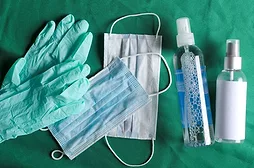
Covid-19 sent Sylvia LeRoy, a pregnant nurse working at a Brooklyn hospital in the earliest days of the pandemic, into a tailspin that left her barely responsive in a brain recovery center in Pennsylvania.
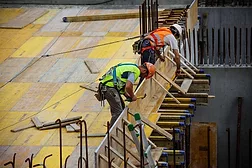
As construction professionals, it feels like we’re always thinking about safety — and yet, our industry is still one of the most high-risk. According to the Occupational Safety and Health Administration (OSHA), one in five worker deaths occurs in construction, accounting for nearly a quarter of all worker fatalities in the United States.
Workplace deaths caused by falls from elevated work locations are consistently second only to those caused by motor vehicle accidents. Last year OSHA issued more citations for fall protection violations than for any other category.
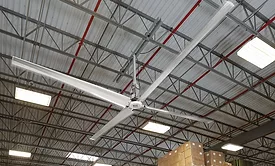
Although largely invisible, indoor air quality is a key concern for any industrial facility. During summer months, workers must be shielded from the dangers of heat stress, while in winter cold drafts and dry air may cause problems.
Industry safety regulations and the evolution of voluntary performance standards have ensured that fire-resistant (FR) clothing is more readily available. For many industries, FR gear is a requirement to ensure worker safety, and keeping FR clothing in good repair is crucial for reducing on-site injuries and extending the life of the garments.
The market for safety footwear has expanded over time as more workplaces have required foot protection from impact, electric shock and chemical hazards as well as enhanced slip resistance in both indoor and outdoor work environments.
Let’s face it — no matter how much we try to avoid them, spills happen. Common spills involve substances such as gasoline, oil, solvents, and cleaning chemicals. While small, in-house spills might be easy to clean up quickly, some fluids can be toxic when ingested or exposed to skin and can be hazardous to the environment.
The pandemic has created momentum for Health and Safety. This article offers arguments to help you get executive buy-in for EHS software during the current crisis.
In addition to following the specific OSHA-mandated requirements for safety data sheets (SDS), there are a few easy ways to upgrade your SDS binder to create a more thorough right-to-know station.
 RSS
RSS