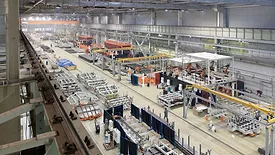
Manufacturing often finds itself up against challenges and pressures other industries do not. From a relatively strict regulatory environment to public health emergencies, global competition, emergent technologies and potential labor shortages, the manufacturing sector is always rolling with the punches and looking for avenues toward leaner operations and higher fortunes.
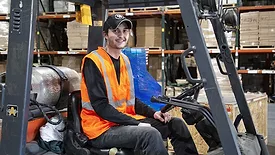
Every day, workers of the world head to their jobs fully expecting to return home in the same condition that they left. This is made possible when companies put the security of their workforce as the first priority.
Messe Düsseldorf will participate in the virtual ASSP Safety Conference & Exposition 2020 in order to promote its portfolio of international occupational safety and health trade fairs organized around the globe.
Since 2016, General Motors has fought orders to replace allegedly defective Takata airbags in over six million of its pickup trucks and SUVs, arguing in a series of petitions that the recall is unnecessary because the airbags are safe. Four years after receiving the first of the petitions, the National Highway Traffic Safety Administration (NHTSA) has yet to rule on them, leaving owners of the vehicles in limbo.
The American Society of Safety Professionals (ASSP), the world’s oldest professional safety organization with 40,000 members globally, released a statement from ASSP President Diana Stegall, CSP, CFPS, ARM, SMS, CPCU, on behalf of the Society’s Board of Directors.
According to the U.S. Bureau of Labor Statistics, almost 120,000 injuries to hands and fingers in 2016 involved days away from work – 13 percent of the total injury toll.
Before COVID-19, the acronym PPE was not known by most people. Industrial workers, first responders, and healthcare workers are familiar with Personal Protective Equipment (PPE) because they use it every day. However, on an ordinary day, using the PPE acronym in a conversation, usually required some sort of explanation.
The need and requirements to conduct a Dust Hazard Analysis (DHA) has increased over the last several years, partially due to the insurance carriers, permitting agencies, and corporate offices requiring facilities and companies to follow governing standards.
An estimated twenty-two million workers are exposed to potentially damaging noise at work each year. For employers, worker exposure to damaging noise could result in catastrophic penalties and compensation for hearing loss disability.
 RSS
RSS