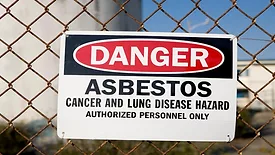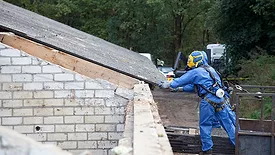
From harmful building materials to poorly ventilated systems, older homes demand a closer look if you want to live safely within them. Here’s a breakdown of the most critical hazards, supported by global data and best-practice guidance.
From lost productivity to severe reputational damage, overlooked direct and indirect expenses imposed by occupational disease and illness take a large toll.
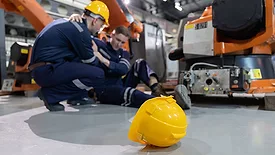
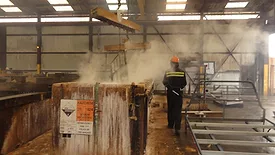
Each year, millions of workers face serious illnesses or fatalities due to a wide range of workplace dangers. The most severe occupational health risks highlight the urgent need for protective administrative and engineering control measures and policies.
The Trump administration has proposed to eliminate the U.S. Chemical Safety and Hazard Investigation Board by October 2026, citing fiscal responsibility and redundancy.
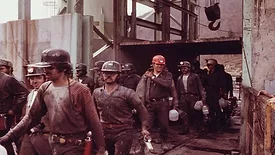
Even as coal mining has shrunk, the potential dangers for people who still work in the field remain high. One in 10 underground coal miners who worked in mines for at least 25 years had black lung, according to a NIOSH report in 2018. In Central Appalachia, one of the main coal mining regions in the U.S., the rate was 1 in 5.
With the next National Climate Assessment due by 2028, its future is now in doubt — and so is the credibility of any replacement effort that omits the very scientists charged with ensuring its integrity.
Let’s be blunt: Gutting worker protections isn’t about good governance — it’s about power, politics, and profit. And workers are the ones paying the price.
This restructuring marks a significant shift in workplace safety oversight, with many experts fearing a loss of scientific expertise, reduced regulatory effectiveness, and an increase in workplace hazards.