ISHN logo
search
cart
facebook twitter linkedin youtube
  • Sign In
  • Create Account
  • Sign Out
  • My Account
ISHN logo
  • NEWS
    • Today's News
    • Global Safety News
    • Government Regulations
  • PRODUCTS
    • Product Innovations
    • Featured Products
  • TOPICS
    • Environmental Health and Safety
    • Facility Safety
    • Workplace Health
    • Occupational Safety
    • PPE
    • More Topics
  • CONSTRUCTION
  • TECHNOLOGY
  • COLUMNS
    • Best Practices
    • Dave Johnson: What’s going on
    • Editorial Comments
    • Leading Safety
  • MULTIMEDIA
    • ISHN Podcast
    • Videos
    • Cold Stress Education Quiz
    • Webinars
    • White Papers
  • MORE
    • Buyer's Guide
    • Newsletters
    • Convention Companion
    • Polls
    • Events
    • ISHN Store
    • Sponsor Insights
  • EMAGAZINE
    • eMagazine
    • Archived Issues
    • Contact
    • Advertise
  • JOIN TODAY!
Today's Safety NewsEnvironmental Health and SafetyWorkplace Health

Silicosis: The danger continues

October 19, 2011

silicosis exposure
NIOSH/John Rekus photo

David Weissman, M.D., and Paul Schulte, Ph.D. begin their latest article on the National Institute for Occupational Safety and Health (NIOSH) Science blog with a quote dating back almost four centuries:
 "…the dust which is stirred and beaten up by digging penetrates into the windpipe and lungs and produces difficulty in breathing." (Agricola, 1556)

Weissman and Schulte then go on to review the history of crystalline silica as an occupational hazard and to bring us up to date on what -- to the frustration of both scientists and safety professionals -- remains a hazard.

"People only get silicosis from inhaling respirable crystalline silica dust into their lungs," they write. "Thus, every case represents failure to prevent excessive exposure."

With chronic inhallation of silicon dioxide, silicosis can take decades to develop. Higher levels of exposure can bring on the disease more quickly.

With chronic inhallation of silicon dioxide, silicosis can take decades to develop. Higher levels of exposure can bring on the disease more quickly.

Silicosis, which can in its most severe forms be disabling or even fatal, is not the only disease associated with breathing silica. Tuberculosis, lung cancer, and chronic obstructive pulmonary disease (COPD) have been linked to it, and there are indications that it might also cause some autoimmune diseases and chronic renal (kidney) disease.

Weissman and Schulte do an excellent job of explaining where sillica comes from and what kinds of occupational practices cause it to be released into the area, where it can be inhaled by workers.

What is particularly sobering in their post is the discussion of probable underreporting of silicosis cases in the U.S., due to both a lack of effective surveillance data and to the sometimes significant lag time between exposure and disease diagnosis. "Silicosis often presents long after workers have left causative jobs," the authors write. "Such cases may not be detected in Bureau of Labor statistics as occupational disease and will not be detected if disease presents after retirement." Even so, the available does indicate that from 2000-2005, an average of 162 people died annually in the U.S. from or with siliosis.

A 2002 NIOSH review found "a significant risk of chronic silicosis for workers exposed to respirable crystalline silica over a working lifetime" at current OSHA and MSHA PELs and at the NIOSH recommended exposure limit (REL). It recommended: "Until improved sampling and analytical methods are developed for respirable crystalline silica, NIOSH will continue to recommend an exposure limit of 0.05 mg/m3 as a time-weighted average (TWA) for up to a 10-hr workday during a 40-hr workweek. NIOSH also recommends substituting less hazardous materials for crystalline silica when feasible, using appropriate respiratory protection when source controls cannot keep exposures below the REL, and making medical examinations available to exposed workers."

Dr. Weissman is Director of the NIOSH Division of Respiratory Disease Studies.

Dr. Schulte is Director of the NIOSH Education and Information Division.

To read the complete article on the CDC-NIOSH Science blog, click here.

KEYWORDS: crystalline illness NIOSH silica silicosis

Share This Story

Looking for a reprint of this article?
From high-res PDFs to custom plaques, order your copy today!

Recommended Content

JOIN TODAY
to unlock your recommendations.

Already have an account? Sign In

  • forklift safety

    Exploring the latest technologies in forklift safety

    With more staff and more stock in warehousing now more...
    Facility Safety
    By: Josh Cramer
  • welding

    All about welder’s flash or arc eye

    A flash burn is a painful inflammation of the cornea,...
    Environmental Health and Safety
  • dangerous jobs

    The 10 most dangerous jobs in the U.S.

    On-the-job deaths have been rising — hitting the highest...
    Transportation Safety
    By: Benita Mehta
Manage My Account
  • eMagazine Subscriptions
  • ISHN Newsletter & Other Newsletter Alerts
  • Online Registration
  • Manage My Preferences
  • Subscription Customer Service

More Videos

Sponsored Content

Sponsored Content is a special paid section where industry companies provide high quality, objective, non-commercial content around topics of interest to the ISHN audience. All Sponsored Content is supplied by the advertising company and any opinions expressed in this article are those of the author and not necessarily reflect the views of ISHN or its parent company, BNP Media. Interested in participating in our Sponsored Content section? Contact your local rep!

close
  • man wearing the the Sundström SR200 Full Face Mask Respirator
    Sponsored byOHD

    5 Fit Testing Mistakes That Could Cost You

  • This image shows Magid AcuSpex polarized blue mirrored safety glasses.
    Sponsored byMagid Glove and Safety

    Construction PPE Guide: What Crews Need for Each Task

  • lone worker in confined space
    Sponsored byAlphasense Ltd.

    GET THE LEAD OUT of your Safety Oxygen Sensors!

Popular Stories

SpaceX 7 launch

OSHA Investigating Fatal Fall at SpaceX Starbase

Worker Impairment

How to Tell When a Co-Worker is Impaired? A Safety Pro’s Challenge

Automated loading dock equipment

After March 2026 Rivian Death, Safety Managers Reassess Loading Dock Systems Under OSHA's Warehouse Emphasis Program

top 10 most dangerous jobs

Poll

Seasonal Readiness

With the federal heat stress prevention rule on the horizon, which area of your safety program needs the most attention?
View Results Poll Archive

Products

Surviving an OSHA Audit A Management Guide, 2nd Edition

Surviving an OSHA Audit A Management Guide, 2nd Edition

See More Products

ISHN Podcasts

Related Articles

  • oil worker

    Know the danger zone for hands when working

    See More
  • Phylmar Academy

    The danger to workers from wildfire smoke is not theoretical. It's happening now!

    See More
  • The danger of preoccupied pedestrians

    See More

Related Products

See More Products
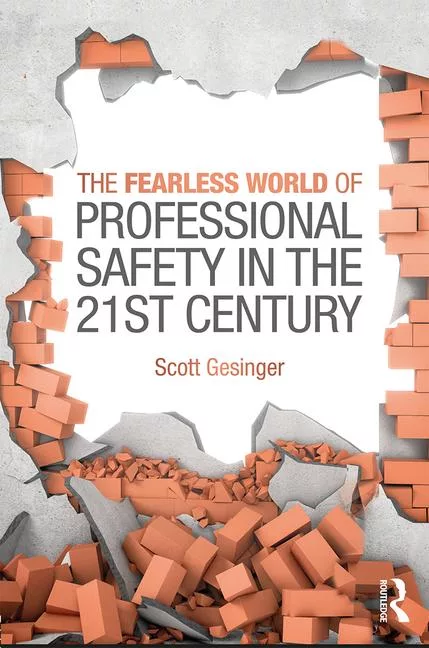
  • fearless world.jpg

    The Fearless World of Professional Safety in the 21st Century

  • 1119906652.webp

    Alive and Well at the End of the Day: The Supervisor's Guide to Managing Safety in Operations, 2E

See More Products

Related Directories

  • The Back School

    The Back School facilitates reducing work-related injuries; increasing employee productivity, safety, efficiency and job satisfaction; and reducing absenteeism.
×

Become a Leader in Safety Culture

Build your knowledge with ISHN, covering key safety, health and industrial hygiene news, products, and trends.

JOIN TODAY
  • RESOURCES
    • Advertise
    • Contact Us
    • Directories
    • Manufacturing Division
    • Store
    • Want More
  • SIGN UP TODAY
    • Create Account
    • eMagazine
    • Newsletters
    • Customer Service
    • Manage Preferences
  • SERVICES
    • Marketing Services
    • Reprints
    • Market Research
    • List Rental
    • Survey/Respondent Access
  • STAY CONNECTED
    • LinkedIn
    • Facebook
    • YouTube
    • X (Twitter)
  • PRIVACY
    • PRIVACY POLICY
    • TERMS & CONDITIONS
    • DO NOT SELL MY PERSONAL INFORMATION
    • PRIVACY REQUEST
    • ACCESSIBILITY

Copyright ©2026. All Rights Reserved BNP Media, Inc. and BNP Media II, LLC.

Design, CMS, Hosting & Web Development :: ePublishing