ISHN logo
search
cart
facebook twitter linkedin youtube
  • Sign In
  • Create Account
  • Sign Out
  • My Account
ISHN logo
  • NEWS
    • Today's News
    • Global Safety News
    • Government Regulations
  • PRODUCTS
    • Product Innovations
    • Featured Products
  • TOPICS
    • Environmental Health and Safety
    • Facility Safety
    • Workplace Health
    • Occupational Safety
    • PPE
    • More Topics
  • CONSTRUCTION
  • TECHNOLOGY
  • COLUMNS
    • Best Practices
    • Dave Johnson: What’s going on
    • Editorial Comments
    • Leading Safety
  • MULTIMEDIA
    • ISHN Podcast
    • Videos
    • Cold Stress Education Quiz
    • Webinars
    • White Papers
  • MORE
    • Buyer's Guide
    • Newsletters
    • Convention Companion
    • Polls
    • Events
    • ISHN Store
    • Sponsor Insights
  • EMAGAZINE
    • eMagazine
    • Archived Issues
    • Contact
    • Advertise
  • JOIN TODAY!
Today's Safety NewsGovernment Safety RegulationsEnvironmental Health and SafetyFacility Safety

New toxic chemical bill would weaken protections, critics charge

March 11, 2014

From the Center for Effective Government:

Rep. John Shimkus (R-IL) released a draft bill entitled the Chemicals in Commerce Act (CICA) on Thursday, Feb. 27 that provides no significant improvements in protecting public health and the environment from toxic chemicals. Many of the provisions in the draft bill maintain the already deficient approaches to health protections now included under the 1976 Toxic Substances Control Act (TSCA), our nation's outdated and ineffective chemical safety law. Even worse, aspects of the legislation would weaken TSCA and undercut current protections provided by states that have adopted more stringent chemical laws.

Many of the problems posed by provisions of S. 1009, the Chemical Safety Improvement Act (CSIA), are also apparent in CICA. Among many deficiencies, the bill would prevent states from regulating chemicals classified by the U.S. Environmental Protection Agency (EPA) as "low priority" risks, as well as preempt the ability of states to adopt requirements for "high priority" risk chemicals that are more protective than those established by EPA. CICA continues the existing law's perverse approach to establishing safety standards, in which the burden of proof falls on the EPA to prove a chemical poses an "unreasonable" health risk, rather than on chemical companies to prove the safety of their products.

Other shortcomings of CICA include:

  • The bill provides no deadlines for the EPA to assess the potential risks of chemicals and regulate them, leaving it to the EPA administrator to designate chemicals as either high- or low-priority "as soon as feasible."
  • The legislation includes broad protections for confidential business information that would allow companies to keep secret the chemical identities of their products and would prevent EPA from requiring companies to justify their previous confidentiality claims for the thousands of chemicals that have received such designations before adoption of CICA.
  • It requires EPA to use assessment methods on how chemicals should be prioritized and assessed for risks that are inconsistent with approaches recommended by the National Academy of Sciences.
  • The bill doesn't include the most highly exposed and often disadvantaged communities in the definition of "potentially exposed sub-populations" that EPA would need to consider in prioritizing chemicals for safety review.

The minimal amount of information available to the public and health professionals about the hazards associated with the chemicals spilled into the water supply of the Charleston, West Virginia area highlights the pressing need for a new national approach to chemical safety. We must ensure that the comprehensive information needed to assess the health and environmental effects of toxic chemicals will be available in a timely manner. Unfortunately, the Shimkus bill, much like the CSIA that it mimics, won't provide those answers and represents a major step backward in efforts to protect public health and the environment from toxic chemicals.

KEYWORDS: chemicals toxic substances tsca

Share This Story

Looking for a reprint of this article?
From high-res PDFs to custom plaques, order your copy today!

Recommended Content

JOIN TODAY
to unlock your recommendations.

Already have an account? Sign In

  • forklift safety

    Exploring the latest technologies in forklift safety

    With more staff and more stock in warehousing now more...
    Facility Safety
    By: Josh Cramer
  • welding

    All about welder’s flash or arc eye

    A flash burn is a painful inflammation of the cornea,...
    Environmental Health and Safety
  • dangerous jobs

    The 10 most dangerous jobs in the U.S.

    On-the-job deaths have been rising — hitting the highest...
    Occupational Safety
    By: Benita Mehta
Manage My Account
  • eMagazine Subscriptions
  • ISHN Newsletter & Other Newsletter Alerts
  • Online Registration
  • Manage My Preferences
  • Subscription Customer Service

More Videos

Sponsored Content

Sponsored Content is a special paid section where industry companies provide high quality, objective, non-commercial content around topics of interest to the ISHN audience. All Sponsored Content is supplied by the advertising company and any opinions expressed in this article are those of the author and not necessarily reflect the views of ISHN or its parent company, BNP Media. Interested in participating in our Sponsored Content section? Contact your local rep!

close
  • man wearing the the Sundström SR200 Full Face Mask Respirator
    Sponsored byOHD

    5 Fit Testing Mistakes That Could Cost You

  • This image shows Magid AcuSpex polarized blue mirrored safety glasses.
    Sponsored byMagid Glove and Safety

    Construction PPE Guide: What Crews Need for Each Task

  • lone worker in confined space
    Sponsored byAlphasense Ltd.

    GET THE LEAD OUT of your Safety Oxygen Sensors!

Popular Stories

SpaceX 7 launch

OSHA Investigating Fatal Fall at SpaceX Starbase

Worker Impairment

How to Tell When a Co-Worker is Impaired? A Safety Pro’s Challenge

Automated loading dock equipment

After March 2026 Rivian Death, Safety Managers Reassess Loading Dock Systems Under OSHA's Warehouse Emphasis Program

top 10 most dangerous jobs

Poll

Seasonal Readiness

With the federal heat stress prevention rule on the horizon, which area of your safety program needs the most attention?
View Results Poll Archive

Products

Surviving an OSHA Audit A Management Guide, 2nd Edition

Surviving an OSHA Audit A Management Guide, 2nd Edition

See More Products

ISHN Podcasts

Related Articles

  • USW: House bill would weaken DOE worker safety

    See More
  • West Virginia bill would weaken mine safety laws

    See More
  • Cleanup schedule compromises safety at nuke site, critics charge

    See More

Related Products

See More Products
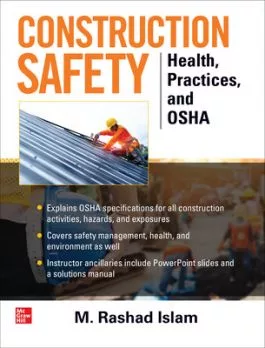
  • 9781264257829_24.jpeg

    Construction Safety: Health, Practices and OSHA

See More Products

Related Directories

  • New Pig

    The world leader in absorbent products, New Pig provides innovative products to help maintain cleaner, safer, more productive work environments.
×

Become a Leader in Safety Culture

Build your knowledge with ISHN, covering key safety, health and industrial hygiene news, products, and trends.

JOIN TODAY
  • RESOURCES
    • Advertise
    • Contact Us
    • Directories
    • Manufacturing Division
    • Store
    • Want More
  • SIGN UP TODAY
    • Create Account
    • eMagazine
    • Newsletters
    • Customer Service
    • Manage Preferences
  • SERVICES
    • Marketing Services
    • Reprints
    • Market Research
    • List Rental
    • Survey/Respondent Access
  • STAY CONNECTED
    • LinkedIn
    • Facebook
    • YouTube
    • X (Twitter)
  • PRIVACY
    • PRIVACY POLICY
    • TERMS & CONDITIONS
    • DO NOT SELL MY PERSONAL INFORMATION
    • PRIVACY REQUEST
    • ACCESSIBILITY

Copyright ©2026. All Rights Reserved BNP Media, Inc. and BNP Media II, LLC.

Design, CMS, Hosting & Web Development :: ePublishing