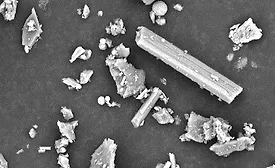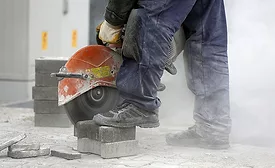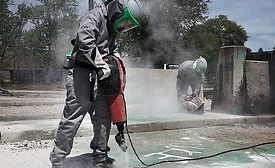
Crystalline silica is an abundant natural material found in soil, stone and sand. It is also present in many construction materials such as brick, mortar and concrete. It becomes respirable when any of the afore-mentioned materials are cut or broken down into fine particles.
Crystalline silica is one of the most common minerals found worldwide in the earth’s crust. It is frequently used in many industrial processes such as mining, quarrying and stone-cutting. Breathing air contaminated with crystalline silica particles can cause serious respiratory and lung diseases.
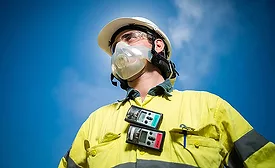
OSHA estimates some two million construction employees are exposed to respirable crystalline silica in more than 600,000 workplaces across the country. To comply, companies need to follow multiple steps that aren’t always as easy as they might seem.
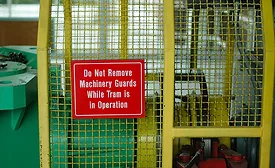
Machine guarding once again made OSHA’s top ten list of most-frequently violated standards for fiscal year 2019. Coming in at number eight, OSHA’s machine guarding standard 1910.212 was cited for violations 1,743 times in 2019, compared to 1,972 citations in 2018.
We sat down with Matthew Elson, CEO of SHE Softwares to discuss implementing safety programs, and a positive safety culture for workers. Below are excerpts from that conversation.
Although many employees typically provide some or all of their own work attire, it is the employer who will be issued a citation if a worker who is exposed to electric arc or flame hazards is not wearing flame-resistant (FR) clothing.
Most times something bad doesn’t happen when we cut corners, so it is easy to fall into the trap of thinking that we are working “safe enough.” We need to focus our attention on being good instead of lucky.
There’s going to be some big changes in the fall safety industry. In 2017, OSHA published new regulations regarding fixed ladders that will shape how workers are protected for years to come.
In June 2018, OSHA introduced the silica standard so workers exposed to silica-generating tasks would be protected from the hazards of silica and silica dust. Just over a year in, we have seen some companies still failing to comply, others still in the process, and others doing quite well.
Software is radically changing chemical management. But while the growing chemical safety software options available help more businesses keep their workers safe and workplaces compliant, the crowded space also makes it harder for those shopping for a solution to select one that best fits their needs.