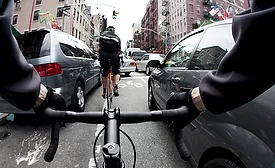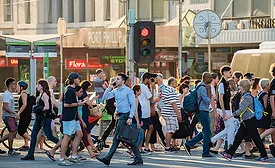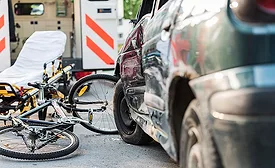
At some point in the day, everyone is a pedestrian. While pedestrian fatalities remain high, there was a 1.7% decrease in the number of pedestrians killed in traffic crashes in 2017, totaling 5,977 deaths, according to the National Highway Transportation Safety Administration.
Since 2014, NYC Mayor Bill de Blasio has set a goal, or more specifically a “vision,” that traffic deaths and injuries on city streets is, in his words, “not acceptable and… serious crashes will no longer (be regarded) as inevitable. We won’t accept this any longer.”
Construction work zones are dangerous. Every day, workers who step foot on highways and roads risk danger from vehicle traffic and heavy equipment. Completing work is important, but when safety takes a back seat to production schedules, the result can be deadly.
In these days and times, knowing what we know, with most cars buzzing or beeping until the seat belt is fastened, why on earth would anyone choose to drive or ride without the obvious and easy protection that safety belts provide?
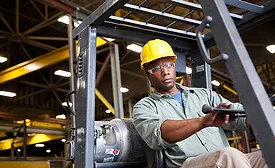
OSHA statistics indicate that there are roughly 85 forklift fatalities and 34,900 serious injuries each year, with 42 percent of the forklift fatalities from the operators being crushed by a tipping vehicle.
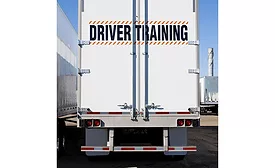
The worst time to realize your fleet’s safety program doesn’t measure up is when you’re answering questions in court, or at a deposition. Yet, even the best companies can find themselves in that uncomfortable position. If they do, it’s a sure bet the fleet’s own safety training program is where plaintiffs’ attorneys will look.
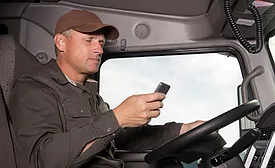
Most fear that distracted driving is getting worse. Drivers who report using a cellphone behind the wheel has jumped 46 percent since 2013, and almost half (49 percent) of all drivers report recently talking on a hand-held phone while driving, and nearly 35 percent have sent a text or email.
I’ve never given much thought to pedestrian safety because I’ve never been in harm’s way or seen pedestrians at risk. That’s until two months ago. In February I attended a conference in Houston.
Not long ago I bought a new car. It had been a while. While I was on the sidelines, the auto industry has been experiencing unprecedented transformation. One researcher claims there will be ten million self-driving cars on the road by 2020, with one in four cars being self-driving by 2030.
The National Institute for Occupational Safety and Health (NIOSH) Center for Motor Vehicle Safety is observing Drowsy Driving Prevention Week, hosted by the National Sleep Foundation. The campaign is designed to reduce the number of fatigue-related crashes and to save lives.