ISHN logo
search
cart
facebook twitter linkedin youtube
  • Sign In
  • Create Account
  • Sign Out
  • My Account
ISHN logo
  • NEWS
    • Today's News
    • Global Safety News
    • Government Regulations
  • PRODUCTS
    • Product Innovations
    • Featured Products
  • TOPICS
    • Environmental Health and Safety
    • Facility Safety
    • Workplace Health
    • Occupational Safety
    • PPE
    • More Topics
  • CONSTRUCTION
  • TECHNOLOGY
  • COLUMNS
    • Best Practices
    • Dave Johnson: What’s going on
    • Editorial Comments
    • Leading Safety
  • MULTIMEDIA
    • ISHN Podcast
    • Videos
    • Cold Stress Education Quiz
    • Webinars
    • White Papers
  • MORE
    • Buyer's Guide
    • Newsletters
    • Convention Companion
    • Polls
    • Events
    • ISHN Store
    • Sponsor Insights
  • EMAGAZINE
    • eMagazine
    • Archived Issues
    • Contact
    • Advertise
  • JOIN TODAY!
Government Safety RegulationsOccupational SafetySafety TechnologyCoronavirus CoverageWorkplace Health

COVID-19 prevention in 2021 will drive better safety practices overall

By Ryan Quiring
COVID testing
December 22, 2020

“It was the best of times, it was the worst of times.” Charles Dickens wrote those words more than 160 years ago, but they ring true today as we seek to protect workers in the wake of the pandemic. In the same week that highly effective coronavirus vaccines became available to the public, we continued to see record-breaking infection rates and deaths from COVID-19. We have learned effective methods for preventing transmission of the virus, but coronavirus fatigue has led to lapses that are sickening employees.

Once coronavirus vaccinations become widely available, legal experts have suggested that companies will be able to require them for most employees as a condition of work. In the meantime, preventing COVID-19 outbreaks will continue to dominate health and safety priorities for businesses in 2021


The Swiss cheese approach

There are several forms of protection that businesses can put into place if they haven’t done so already, and when layered together they become far more effective than the sum of their individual parts. Think of it as the Swiss cheese approach.

The idea is that, by layering different types of prevention and protection, companies can exponentially bring risk in the workplace down to a tolerable level. For example, four tactics each cut COVID-19 risk to some degree: social distancing, using masks and other personal protective equipment (PPE), increasing workforce training, and monitoring employees’ self-assessments. Yet, implementing them together cuts the likelihood of a COVID-19 outbreak by a factor of 10,000x.


Starting sooner

Often coronavirus prevention is focused on the physical worksite with employees wearing PPE and working at reconfigured, socially distanced stations. Some industrial businesses are taking a cue from biotechnology firms and setting up color-coded work zones to minimize interaction between different teams. At many locations, it’s also common to see concierges or greeters check each worker’s temperature and ask a brief set of questions before allowing that person to enter the building.

In 2021, coronavirus prevention among companies will start earlier—before potentially infectious employees come to work. Already, some forward-thinking companies are asking employees to self-report their COVID-19 risk remotely via their mobile phones. If they get an “OK” response, they can go to the worksite and use their mobile phones to show greeters they have approval to enter. If they get a warning indicator of potential COVID-19 risk, they have to wait for a manager or supervisor to advise them on the appropriate course of action to protect the health of other workers

This type of self-assessment is one of the most powerful new tools we have to help make workplaces safer for people. Today, self-reporting is focused on whether a worker has potentially been exposed to COVID-19. But, these same self-assessments could be used, for instance, to determine if a worker is too tired to operate heavy machinery and should be assigned to another task for the day.


Trusted, timely communications

It is important that employees who self-report have confidence they won’t be penalized either with a loss of pay or worse, getting fired. We have all seen the stories about employees with COVID-19 symptoms coming to work and spreading the virus because they didn’t feel like they could call in sick. For this reason, company policies and communications need to clearly articulate that the company’s priority is ensuring safe work conditions.

Of course, the goal is to reinforce best practices in preventing coronavirus exposure in the first place. Here, it is important to follow the lead of higher risk industries—for instance, construction, oil and gas, and other utilities—where it is well understood that long-term exposure to any potential risk leads to complacency. Businesses in these sectors have seen how regular “safety talks” can offset this complacency and decrease injuries by roughly 80%.

In 2021, companies will need to combat coronavirus fatigue by doubling down on regular safety training. The key, whether conducting this training weekly or monthly, is to include new information to ensure that employees don’t “tune out.” An example might be sharing the results of new research by the Journal of Korean Medical Science published on November 23, 2020. It showed how one person became infected with COVID-19 after being in a restaurant 20 feet away from the initial coronavirus carrier for just five minutes—all because of the air flow from the air conditioner.


Regulatory compliance

In addition to efforts aimed at prevention, companies will also need to continue addressing a range of evolving regulations from regional and local governments aimed at preventing and reporting COVID-19 outbreaks. If companies haven’t done so already, they need to automate their policies and reporting to comply with a disparate array of frequently changing government mandates. As we’ve already seen over the past few months, failing to comply can lead to steep fines, temporary business closures, and even lawsuits.

Although many efforts in the next year will focus on addressing the pandemic, the best practices applied to this challenge will also lead to improvements in overall policies and practices for ensuring workers’ safety in 2021 and beyond.

KEYWORDS: business pandemic

Share This Story

Looking for a reprint of this article?
From high-res PDFs to custom plaques, order your copy today!

Ryan quiring headshot

Ryan Quiring is co-founder and CEO of SafetyTek Software. He brings more than a decade of experience as a senior automation consultant and functional safety engineer working on massive capital projects globally in the scope of process automation. @SafetyTekApp on Twitter, SafetyTek Software on LinkedIn

Recommended Content

JOIN TODAY
to unlock your recommendations.

Already have an account? Sign In

  • forklift safety

    Exploring the latest technologies in forklift safety

    With more staff and more stock in warehousing now more...
    Workplace Training Strategies
    By: Josh Cramer
  • welding

    All about welder’s flash or arc eye

    A flash burn is a painful inflammation of the cornea,...
    Environmental Health and Safety
  • dangerous jobs

    The 10 most dangerous jobs in the U.S.

    On-the-job deaths have been rising — hitting the highest...
    Occupational Safety
    By: Benita Mehta
Manage My Account
  • eMagazine Subscriptions
  • ISHN Newsletter & Other Newsletter Alerts
  • Online Registration
  • Manage My Preferences
  • Subscription Customer Service

More Videos

Sponsored Content

Sponsored Content is a special paid section where industry companies provide high quality, objective, non-commercial content around topics of interest to the ISHN audience. All Sponsored Content is supplied by the advertising company and any opinions expressed in this article are those of the author and not necessarily reflect the views of ISHN or its parent company, BNP Media. Interested in participating in our Sponsored Content section? Contact your local rep!

close
  • man wearing the the Sundström SR200 Full Face Mask Respirator
    Sponsored byOHD

    5 Fit Testing Mistakes That Could Cost You

  • This image shows Magid AcuSpex polarized blue mirrored safety glasses.
    Sponsored byMagid Glove and Safety

    Construction PPE Guide: What Crews Need for Each Task

  • lone worker in confined space
    Sponsored byAlphasense Ltd.

    GET THE LEAD OUT of your Safety Oxygen Sensors!

Popular Stories

SpaceX 7 launch

OSHA Investigating Fatal Fall at SpaceX Starbase

Worker Impairment

How to Tell When a Co-Worker is Impaired? A Safety Pro’s Challenge

Automated loading dock equipment

After March 2026 Rivian Death, Safety Managers Reassess Loading Dock Systems Under OSHA's Warehouse Emphasis Program

top 10 most dangerous jobs

Poll

Seasonal Readiness

With the federal heat stress prevention rule on the horizon, which area of your safety program needs the most attention?
View Results Poll Archive

Products

Surviving an OSHA Audit A Management Guide, 2nd Edition

Surviving an OSHA Audit A Management Guide, 2nd Edition

See More Products

ISHN Podcasts

Related Articles

  • Supply chain

    5 ways smart tech is changing the supply chain in 2021

    See More
  • The benefits of investing in EHS software in 2021

    See More
  • Photo_TOS-H-Expo.jpg

    TOS+H Expo 2026: Central Platform for Occupational Safety, Prevention in Türkiye

    See More

Related Products

See More Products
  • 9781264257829_24.jpeg

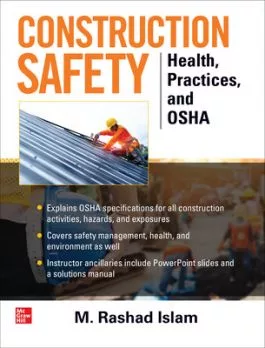
    Construction Safety: Health, Practices and OSHA

  • 9781482217148.jpg

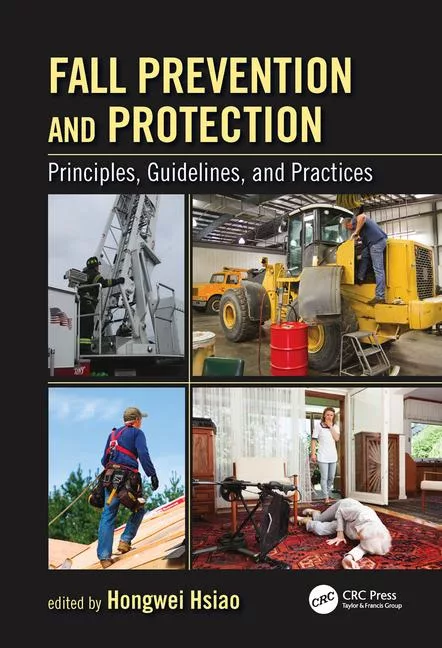
    Fall Prevention and Protection: Principles, Guidelines, and Practices

See More Products

Events

View AllSubmit An Event
  • May 23, 2017

    Zika Virus: An Emerging Infectious Disease, Epidemiology, Risks and Prevention in the Workplace

    Zika Virus: An Emerging Infectious Disease, Epidemiology, Risks and Prevention in the Workplace will present the history and evolution of the Zika Virus including understanding the geographic areas and populations at risk, the epidemiology of the disease, modes of transmission, case definitions, clinical presentation, health effects, surveillance and prevention in the workplace and in the community.
View AllSubmit An Event

Related Directories

  • LineDrive

    LineDrive is a solutions-based sales agency that specializes in People Safety, Facility Safety, and Facility Maintenance & Productivity. We partner with top brands to deliver services and solutions that keep your facility safe and productive. Our services and solutions are free of charge; we simply ask that if we help solve a problem, reduce risk or increase productivity, that you support our partner brands with a purchase via your preferred distributor.
×

Become a Leader in Safety Culture

Build your knowledge with ISHN, covering key safety, health and industrial hygiene news, products, and trends.

JOIN TODAY
  • RESOURCES
    • Advertise
    • Contact Us
    • Directories
    • Manufacturing Division
    • Store
    • Want More
  • SIGN UP TODAY
    • Create Account
    • eMagazine
    • Newsletters
    • Customer Service
    • Manage Preferences
  • SERVICES
    • Marketing Services
    • Reprints
    • Market Research
    • List Rental
    • Survey/Respondent Access
  • STAY CONNECTED
    • LinkedIn
    • Facebook
    • YouTube
    • X (Twitter)
  • PRIVACY
    • PRIVACY POLICY
    • TERMS & CONDITIONS
    • DO NOT SELL MY PERSONAL INFORMATION
    • PRIVACY REQUEST
    • ACCESSIBILITY

Copyright ©2026. All Rights Reserved BNP Media, Inc. and BNP Media II, LLC.

Design, CMS, Hosting & Web Development :: ePublishing